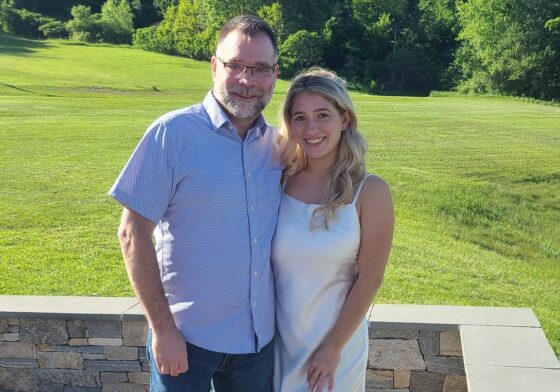
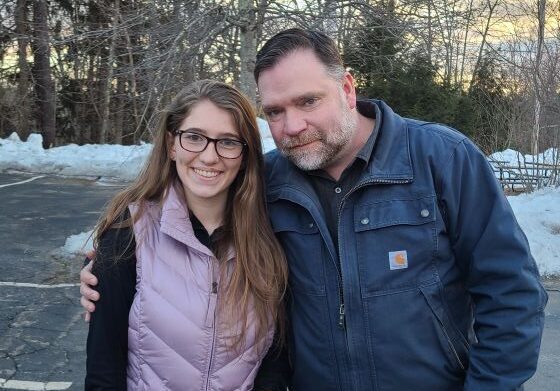
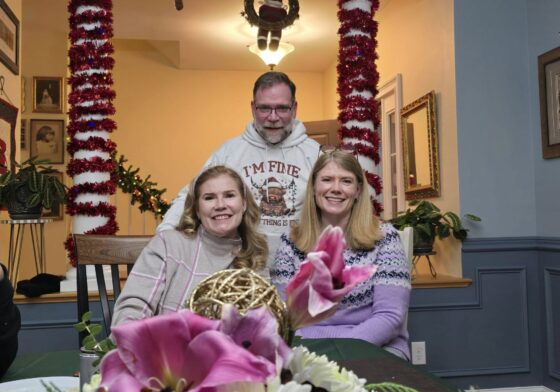


About Me
I am Ray, I work at Wagner Motors, and I am 52 years old.
How This Started
I noticed a health change, a problem with urination, but it didn’t feel urgent. It was easy to explain away. Maybe dehydration. Maybe stress. Maybe just one of those things that would resolve on its own. But when I attended a DetecTogether Workplace Wellbeing seminar at Wagner Motors, I was introduced to 3 Steps Detect®; that’s when I started to think differently.
What I Noticed
Like so many of us, I noticed a health change, but it didn’t feel overly urgent, a problem with urination. Maybe dehydration. Maybe stress. Maybe just one of those things that would resolve on its own. Work deadlines. Family commitments. Daily responsibilities. Health changes can quietly slide to the bottom of the list. At 52, I didn’t yet know that those subtle symptoms were early signs of a health issue I needed to address.
What Happened Next
I wasn’t being purposely careless. I was being busy and unsure. After attending the DetecTogether workplace seminar, I realized something important; I was experiencing step 1 (Know Your Great Health). And I needed a gentle but clear approach to move through to Step 3. The training gave me a plan, and I called my doctor right after the seminar. Within days, bloodwork confirmed that I needed treatment for a health issue.
My Decisions Along the Way
After the DetecTogether training, I headed directly back to my cubicle and called my doctor. Sure enough, in a few days, I received the diagnosis from some bloodwork.
Why It Was Easy to Wait
- Feeling uncertain about whether to act or what to do next.
- Family commitments.
- Work deadlines.
- Daily responsibilities.
The Moment Things Changed
As I learned 3 Steps Detect ®, I realized something important: I needed a gentle but clear approach to move through the steps to early detection. I made the call to my doctor right after the seminar. The training gave me confidence and the skills to take action and work with my doctor to figure out what was going on and how to treat it.
What I Learned
Early action matters for the best-case outcome. Because I acted quickly, my issue was caught early and was easy to treat. No complicated delays. No prolonged uncertainty—the power of 3 Steps Detect®. Without the Workplace Wellbeing program, I might have continued to put it off. Early detection education matters. Uncertainty isn’t unusual; it’s common. But how I responded to it changed because of what I learned. I am thankful I was moved to action by DetecTogether’s program!
What I Want Others to Know
Most people aren’t ignoring their health out of denial; they just don’t always know what to look for or when to take action. They’re navigating full schedules, competing priorities, and constant demands. DetecTogether’s 3 Steps Detect® gives people a clear, easy-to-remember approach that fits into real life, not an idealized version of it.
For organizations, that can mean:
- Earlier diagnoses
- Less intensive treatment
- Reduced time away from work
- Lower long-term health costs for everyone
- A culture that empowers proactive care
Sometimes the most powerful intervention isn’t complicated. It’s a timely reminder. One helpful skills-based seminar. One phone call. That’s what early detection looks like in action.
Call to Action
DetecTogether’s Workplace Wellbeing seminar gave me the practical early detection skills and confidence to take action. Right after the seminar, I called my doctor—and that call set me on the path to getting the care I needed.
Tags
- Early Action: After attending DetecTogether’s Workplace Wellbeing seminar and learning 3 Steps Detect®, Ray returned to his cubicle and called his doctor. Bloodwork within days identified a health issue that required treatment. His story demonstrates how early detection education can give someone the confidence and skills to act on a health change rather than continue to wait.
- Symptoms: Problem with urination; a subtle health change that initially did not feel urgent.