

About Me
I was diagnosed with Acute Lymphocytic Leukemia (ALL) at age 17 after noticing changes in my health that didn’t feel normal. What started as fevers, fatigue, unusual paleness, and bruising that wouldn’t heal eventually led me to seek answers through blood tests and follow-up care. I followed the principles behind DetecTogether’s 3 Steps Detect®: I recognized a change in my health, paid attention when it persisted, and shared my concerns with my doctor. Those actions helped me get answers when I needed them most.
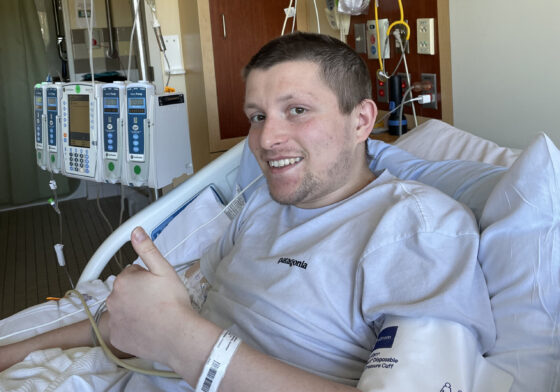
Since then, I have faced cancer and three bouts of leukemia. It has been nearly 10 years since my original diagnosis and four years since receiving CAR-T cell therapy. While the journey has included challenges, it has also shown me the power of hope, resilience, and community.
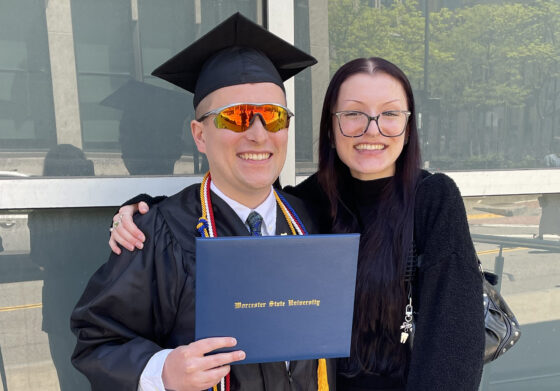
Today, at 26 years old, I am passionate about raising awareness, advocating for others, and giving back to the community that supported me throughout my journey. So many people in Worcester helped my family and me when we needed it most, including DetecTogether. Now, I want to help others understand that early detection starts with knowing your great health, recognizing when something changes, and taking action to find answers sooner – when treatment can be more effective and lifesaving.
How This Started
During the winter of 2016, both my mother and sister had mononucleosis. When I started feeling unwell myself, I assumed I might have it too.
I was experiencing fevers, low energy, and looked unusually pale. Since mono had already affected my family, getting checked felt like the logical thing to do.
What I Noticed
One symptom stood out more than anything else.
I developed a huge bruise on my left kneecap. Instead of healing, it caused swelling throughout my entire leg. At the same time, I was dealing with fatigue, fevers, and other symptoms that did not seem normal.
Blood work revealed that I had significantly low white blood cell and platelet counts.
What Happened Next
Because of my family’s recent experience with mono and knowing 3 Steps Detect®, I went to the doctor right away to be tested and receive routine blood work.
Looking back, those blood tests and follow-up appointments led to answers much sooner than they otherwise might have. They reminded me that early detection often starts with recognizing a change, trusting yourself, and taking action to find answers.
My Decisions Along the Way
When I noticed symptoms, I did not wait to see if they would go away on their own.
I paid attention to what was happening, went to my doctor, completed the recommended testing, and followed up when additional evaluation was needed.
Looking back, those decisions helped move me toward a diagnosis quickly.
Why It Was Easy to Wait
In my case, it actually wasn’t. I didn’t wait.
Because my mother and sister had recently been sick with mono, there was already a reason to pay attention to what I was experiencing. That connection and knowing my critical role in early detection prompted me to seek medical care immediately rather than putting it off.
The Moment Things Changed
The turning point came when blood testing revealed serious abnormalities, including very low white blood cells and platelet counts.
What initially seemed like symptoms of mono became something much bigger. The answers from those tests led to my leukemia diagnosis.
What I Learned
One of the biggest lessons I’ve learned is that even when symptoms seem connected to something common, it’s important to pay attention when changes persist or don’t make sense.
I’ve also learned that healing is about more than physical treatment. Surviving cancer can come with trauma and medical PTSD, and recovery often involves finding hope, purpose, and support along the way.
What Would Have Helped Sooner
In my situation, I did not experience delays in diagnosis. I sought medical care right away, received diagnostic testing, and was able to move forward quickly.
What I Want Others to Know
I tell everyone the same thing when I share my story:
There is a light at the end of the tunnel.
Cancer, trauma, and medical PTSD can feel overwhelming, but hope is real. Let a bigger power guide you to be the absolute best you can be each and every day of your life.
Fortunately, speaking up right away about what I was experiencing led to timely testing and follow-up care, helping me get answers sooner.
Learning about DetecTogether through social media and my hospital inspired me to help others understand the importance of noticing changes, speaking up, and seeking answers.
No matter where you are in your journey, know that you are not alone.
Call to Action
Most people don’t expect cancer at 17 years old.
My story is a reminder that early detection can happen at any age and often begins with recognizing a change in your health and taking action. Knowing your great health, paying attention to what feels different, and speaking up when something doesn’t seem right can make all the difference.
If you notice a persistent change in your health, don’t ignore it. Trust yourself, seek answers, and keep advocating for your health.
Tags
- Early Action: Jonathan noticed changes in his health, sought medical care immediately, completed blood testing, and followed through with recommended appointments. His story demonstrates how acting on symptoms rather than dismissing them can lead to earlier answers and earlier treatment.
- System Barrier: Jonathan did not experience significant healthcare system barriers or delays. Access to testing and follow-up care occurred quickly once symptoms were reported.
- Symptoms: Persistent fevers; Loss of energy