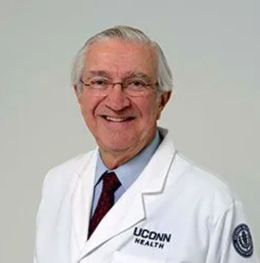
By Peter Deckers, MD
Dean Emeritus, UConn School of Medicine
Former Vice President, UConn Health
Board of Directors, DetecTogether
Over many years as a cancer surgeon, there was one conversation I heard far too often.
Patients would tell me they had noticed something wasn’t quite right weeks or even many months earlier.
“I felt the lump, but thought it would go away.”
“I was more tired than usual, but figured I was just getting older.”
“I knew something had changed, but I didn’t think it was important enough to bother my doctor.”
Those words have stayed with me.
Not because every symptom is cancer. It isn’t and most are not. But because waiting can sometimes mean losing the opportunity to diagnose cancer when it is smaller, easier to treat, and more likely to be cured.
Cancer treatment continues to advance in remarkable ways. Yet one of our greatest opportunities to improve outcomes remains diagnosing cancer earlier.
When cancer is diagnosed early, patients often have more treatment options, may need less aggressive treatment, and have a much better chance of returning to healthy, active lives.
If there is one thing decades in medicine have taught me, it’s this:
Patients have a far greater role in early diagnosis than most people realize.
Early Detection Is More Than Screening
When people hear the words early detection, they usually think of mammograms, colonoscopies, or newer blood tests designed to detect cancer. These advances are important and continue to evolve. But they are only part of the picture.
Many cancers have no recommended routine screening test. Others develop between screenings or after a reassuring test result.
In those situations, early diagnosis often begins with something much simpler: a person recognizing that something has changed and deciding to seek medical attention.
Technology helps detect cancer. Patients recognize change. Earlier diagnosis often depends on both.
Recognizing when something about your health has changed and knowing when to have it evaluated can make an enormous difference.
The Biggest Barrier Isn’t Medicine
One obstacle I saw throughout my career had nothing to do with science. It was human nature.
Most of us believe serious illness happens to someone else. We explain away a persistent cough, unusual fatigue, changes in bowel or bladder habits, unexplained weight loss, blood where it shouldn’t be, or a lump that “probably isn’t anything.”
We tell ourselves we’re too busy, we don’t want to overreact, or we simply hope the problem will disappear. Sometimes it does. Sometimes it doesn’t.
The goal isn’t to make people anxious. It’s to help them recognize when a change deserves attention.
One of Medicine’s Most Powerful Tools Is Still Listening
Medicine has advanced tremendously over the years, but one of the most valuable diagnostic tools remains surprisingly simple: listening.
As my career progressed, I became more intentional about asking patients questions and encouraging them to tell me about anything that felt different even if they weren’t sure it mattered.
Many would hesitate. They didn’t want to sound foolish. They didn’t want to waste anyone’s time. Yet those conversations often uncovered important clues that led to earlier diagnoses.
Good healthcare is a partnership.
In my experience, I never wanted a patient to keep something to themselves because they thought it might not be important. I’d much rather hear about a symptom that turns out to be nothing than miss one that turns out to be something.
We Need to Teach These Skills
One lesson became increasingly clear to me over the years.
Healthcare systems are designed to diagnose and treat disease once someone seeks care. What they have far fewer opportunities to do is teach people how to recognize meaningful changes in their health, know when those changes deserve medical attention, and communicate them effectively. That creates an important gap.
That’s the gap DetecTogether is helping to fill. These are practical, skills-based education. people learn how to understand what is normal for their own body, recognize persistent changes that shouldn’t be ignored, know when it’s time to seek medical care, and feel confident partnering with their healthcare providers. That’s one of the reasons I support DetecTogether and serve on its Board of Directors.
To me, this isn’t replacing healthcare. It’s strengthening it by helping patients arrive earlier, better prepared, and ready to have more productive conversations with their clinicians.
When patients and healthcare professionals work together this way, everyone benefits.
A Final Thought
Throughout my career, I have cared for many patients whose outcomes might have been different had they sought care sooner.
They waited not because they were being irresponsible, but because they didn’t realize what they were experiencing mattered—or they weren’t sure how to navigate the healthcare system once they did.
Cancer treatment will continue to improve. Screening tests will continue to improve. New technologies, including blood tests capable of detecting multiple cancers, will continue to improve.
But one truth will remain: no technology knows what is normal for your body the way you do. Recognizing meaningful changes, seeking timely care, and partnering with your healthcare team will always be essential to finding cancer earlier and improving outcomes.
For more information:
About Our Programs
• Workplace Wellbeing
• First Responders
• Young Adults
• Community Education