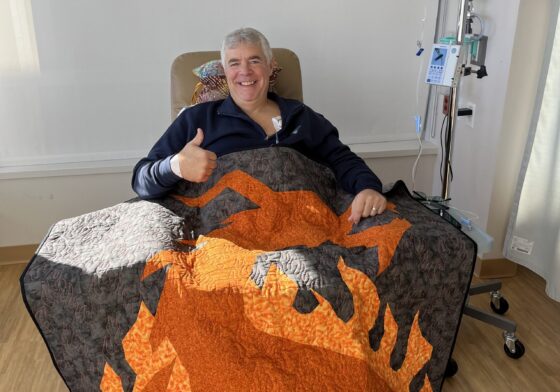




About Me
I’m a husband, a dad of three, and now a proud grandfather. My wife and I love camping, fishing, and getting down to Florida whenever we can to spend time with my mom and enjoy the beach. I’m also a huge Star Wars fan; my phone basically sounds like a scene from the movies all day long.
How This Started
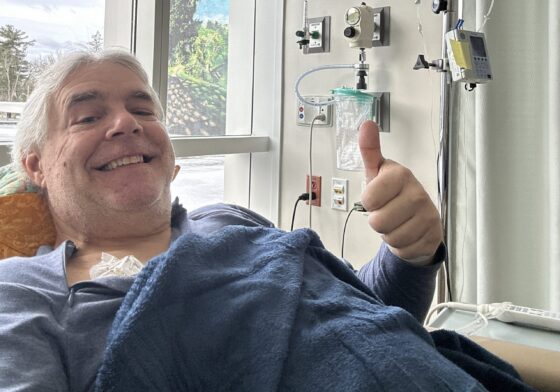
I ended up in the hospital with a badly swollen arm and extreme fatigue. I was treated with antibiotics for about a week, but no one ever really figured out what caused it.
What I Noticed
After that, I had a few more episodes, days at a time, where I just felt completely drained. I didn’t connect it to anything serious. I figured maybe I’d overdone it in the sun or just needed rest.
My doctor ran bloodwork. Most of it looked normal. A few liver numbers were a little higher than usual, but not enough that anyone thought to raise alarms. We chalked it up to having a few drinks the night before the test.
I had also taken a stool-based screening test for colon cancer that came back inconclusive. Since I already had a colonoscopy scheduled, I figured I was covered.
What Happened Next
Because of the inconclusive stool-based screening result, my colonoscopy was no longer considered preventive, it was now diagnostic. That meant I’d be responsible for the full cost.
So, I waited. Then I worked through a health insurance change, was hospitalized, and ran into scheduling delays, pushing everything out even further.
All in, it was about a 10-month delay..
My Decisions Along the Way
I waited while working through the cost of the diagnostic colonoscopy, a health insurance change, a hospitalization, and scheduling delays before eventually having the colonoscopy.
Why It Was Easy to Wait
- My symptoms didn’t seem connected.
- Most of my bloodwork looked normal.
- We thought the elevated liver numbers were related to having a few drinks the night before the test.
- I thought I was covered because I already had a colonoscopy scheduled.
- I didn’t think cancer was likely without a family history.
- The inconclusive stool-based screening result meant my colonoscopy was no longer considered preventive.
- Health insurance changes, hospitalization, and scheduling delays pushed everything out further.
The Moment Things Changed
By the time I was finally diagnosed, I had Stage 4 colon cancer that had spread to my liver.
What I Learned
Looking back, I understand that it wasn’t one big, obvious sign. It was a series of smaller signals that only made sense when I stepped back and looked at them together.
I also understand how inconclusive screening became more of a barrier to early detection in my case.
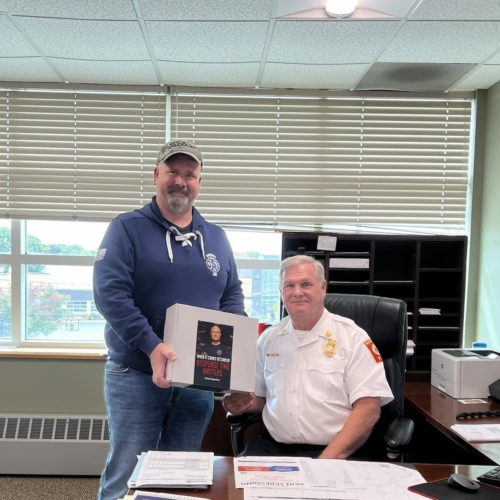
Because of what I learned when DetecTogether came to my workplace and shared their 3 Steps Detect® program, I understand now that it’s not always one big, obvious sign, and I just wish I had come across this kind of guidance sooner.
I also understand now that I have an important role to play in speaking up, asking the right questions, and partnering with my doctors to get answers sooner, even when the symptoms don’t seem urgent or connected at first.
What Would Have Helped Sooner
I just wish I had come across DetecTogether’s guidance sooner. I understand now that it’s not always one big, obvious sign. Sometimes it’s a series of smaller signals that only make sense when you step back and look at them together.
What I Want Others to Know
I hope others have the chance to learn this earlier than I did—so they can recognize the patterns, act sooner, and avoid the kind of delay that changed everything for me.
Call to Action
If you’re noticing a pattern of changes that don’t seem urgent or connected, speak up, ask the right questions, and partner with your doctors to get answers sooner.
Tags
- Behavior Pattern: Symptoms didn’t seem connected
- Behavior Pattern: Thought he was covered because a colonoscopy was already scheduled
- Behavior Pattern: Didn’t think cancer was likely without a family history
- System Barrier: Inconclusive stool-based screening result changed the colonoscopy from preventive to diagnostic
- System Barrier: Health insurance change, hospitalization, and scheduling delays
- Cancer Type: Colon Cancer